
SELECTED PUBLICATIONS
Ervin's Publications

Ervin Staub
Mar 2023
Reasons for Passivity, the Roots of Active Bystandership, and Trainings to Develop It
In this article, I discuss the personal and professional experiences and influences that led me to the study of active bystandership. Research, my own and that of many others, has investigated the roots of active bystandership, why people intervene to prevent harm, and why they do not. Most importantly, we have demonstrated that active bystandershi...

Ervin Staub
Dec 2020
The Origins of Caring, Helping, and Nonaggression: Parental Socialization, the Family System, Schools, and Cultural Influence
What kind of socialization is required to raise caring, cooperative, helpful persons? What kinds of experiences are necessary for the development of characteristics that help people deal with crises by turning toward rather than against others, by inclusion rather than exclusion?

Ervin Staub
November 2019
Witnesses/Bystanders: The Tragic Fruits of Passivity, the Power of Bystanders, and Promoting Active Bystandership in Children, Adults, and Groups
I briefly describe my experiences that gave rise to a life‐long motivation to work on these issues. I then discuss the roots of extreme violence by groups, focusing on passivity by witnesses/bystanders that allows the evolution of increasing violence, including genocide.

Ervin Staub
Feb 2018
Preventing Violence and Promoting Active Bystandership and Peace: My Life in Research and Applications
In this article, I describe some of my research on caring, helping, active bystandership, and the origins of genocide and collective violence, as a background to interventions in real-world settings aimed at creating positive change. They include working with teachers to create classrooms that promote caring and helping; training police to prevent or...

Ervin Staub
Oct 2016
Interventions in Real-World Settings: Using Media to Overcome Prejudice and Promote Intergroup Reconciliation in Central Africa
The Cambridge Handbook of the Psychology of Prejudice aims to answer the questions: why is prejudice so persistent? How does it affect people exposed to it? And what can we do about it? Providing a comprehensive examination of prejudice from its evolutionary beginnings and environmental influences through to its manifestations and consequences, this...

Ervin Staub
September 2014
Obeying, Joining, Following, Resisting, and Other Processes in the Milgram Studies, and in the Holocaust and Other Genocides: Situations, Personality, and Bystanders
Stanley Milgram was motivated to show how something as horrible as the Holocaust could happen. To what extent does his research provide understanding of this? This article reviews a conception of the origins of genocide and other mass violence, based on case studies of actual instances, ranging from the Holocaust to the genocide in Rwanda and great violence in the Congo, in which psychological and social science principles were applied to historical data

Ervin Staub
July 2015
Practical Wisdom: Educating for Active Bystandership to Prevent Violence and Build Peace
The chapter describes how passivity by members of a society (internal bystanders) and passivity or bad bystandership by outside parties (external bystanders) allows the evolution of increasing violence against subgroups of a society. It discusses how such passivity allows the persistence of violence in the case of intractable conflict, as in the Is...
Ervin Staub
Mar 2015
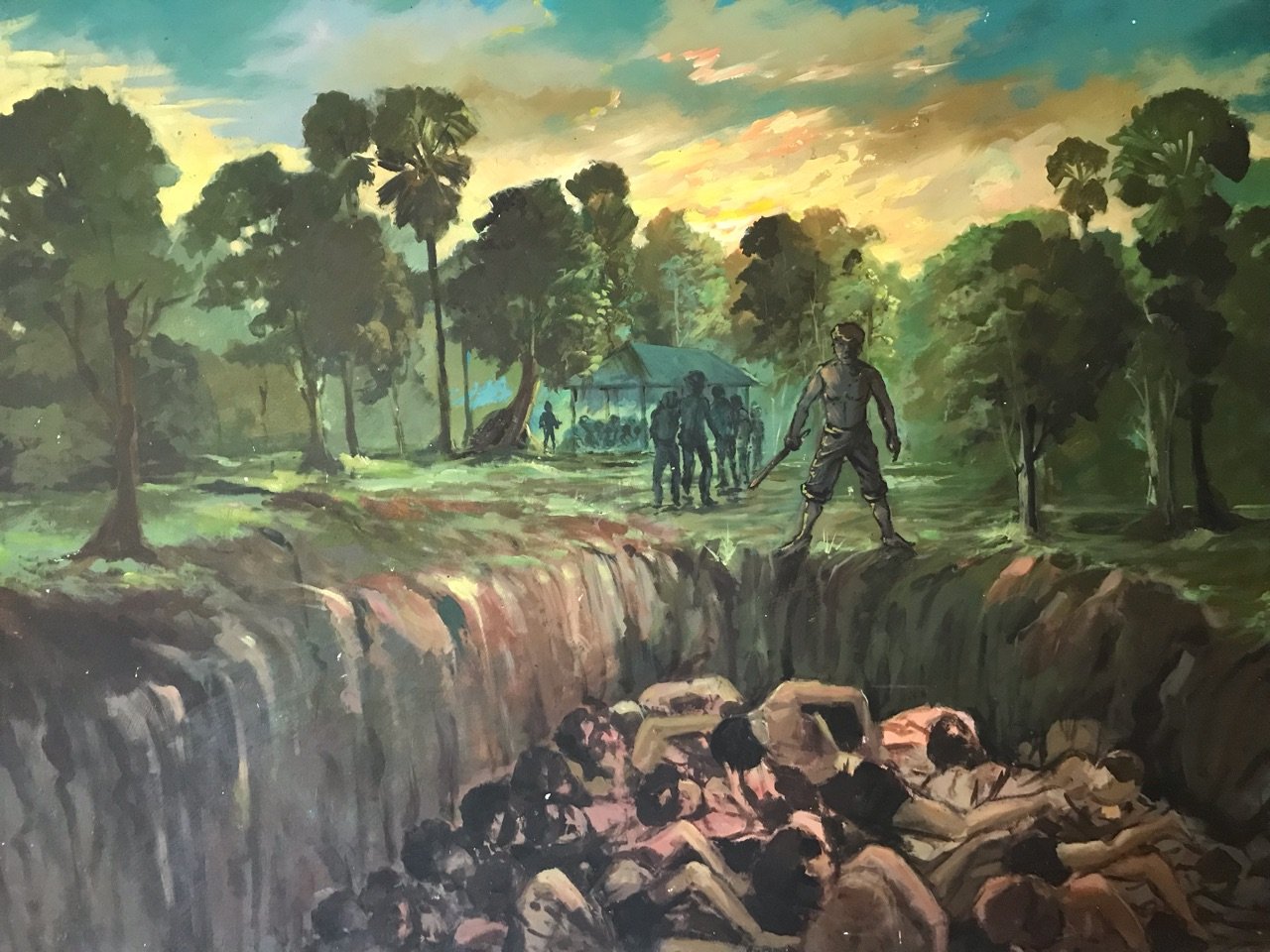
Mass Killings and Genocide, Psychology of
This article describes influences that lead to violence as well as avenues to prevention and reconciliation. The influences include social conditions, the psychological reactions of groups of people to them, and the societal processes they generate. They include cultural characteristics, such as a history of devaluation of a group, past victimization...

Ervin Staub
Oct 2014
The Challenging Road to Reconciliation in Rwanda: Societal Processes, Interventions and Their Evaluation
This article briefly discusses some efforts that Rwanda has made to recover from the genocide, ranging from trying perpetrators to creating just social arrangements. It also discusses problematic policies and practices that may interfere with reconciliation. It then describes work the author and his associates have engaged in to promote healing and...