
Ervin's Projects
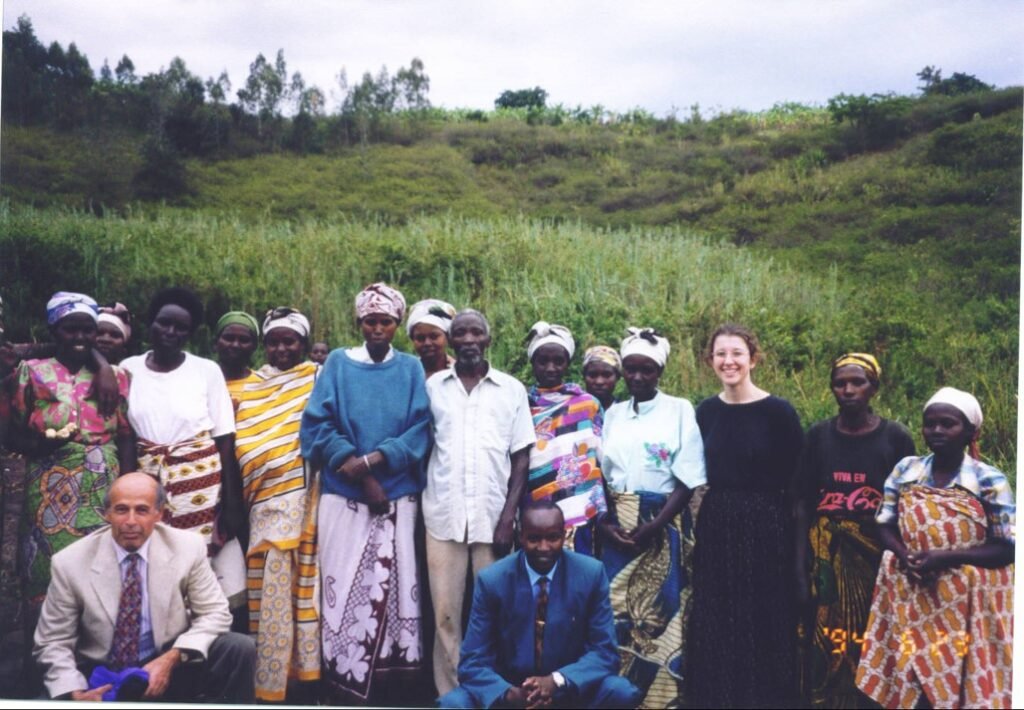
Trainings to promote psychological recovery and reconciliation, and prevent new violence in Rwanda
Since late 1998 my associates and I have been working in Rwanda on promoting reconciliation after the terrible genocide there, in order to prevent new violence. About 800 thousand people were killed there, mostly Tutsis, but also a much smaller number of Hutus, during a three months period. Laurie Anne Pearlman and I have developed an approach to promote reconciliation, and healing or psychological recovery as an important aspect of it. The approach is based on my work on the origins and prevention of genocide and other mass violence, and reconciliation, and her work on trauma and healing. We have worked, using this approach, with groups in the community, community leaders, journalists, and with national/government leaders.
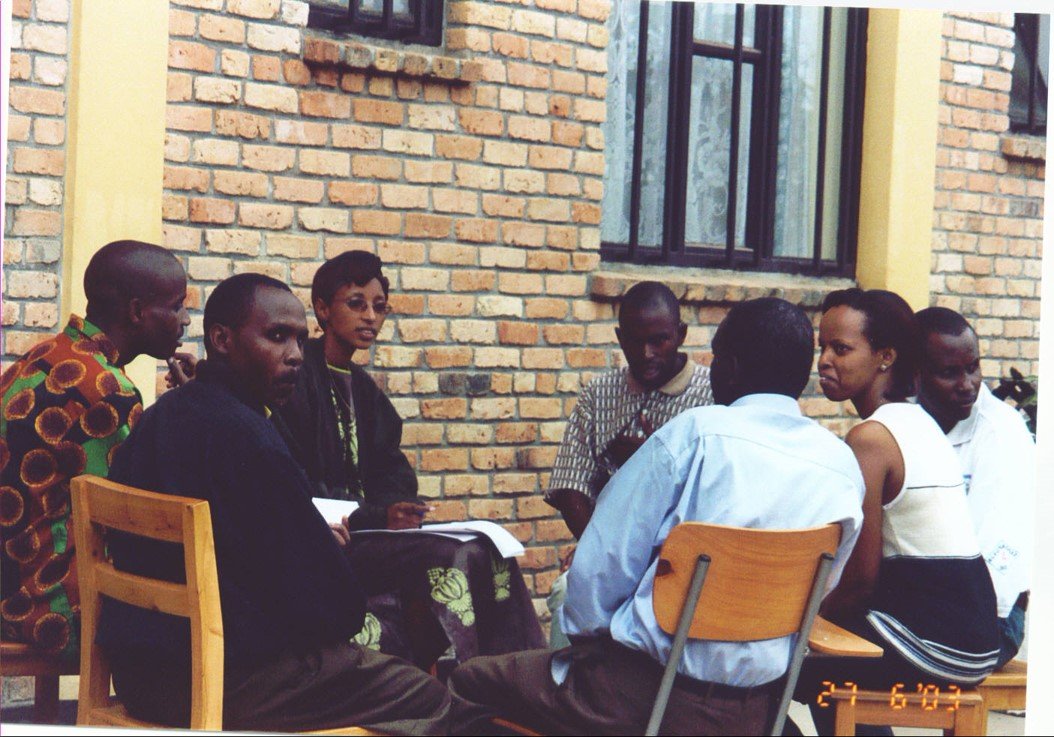
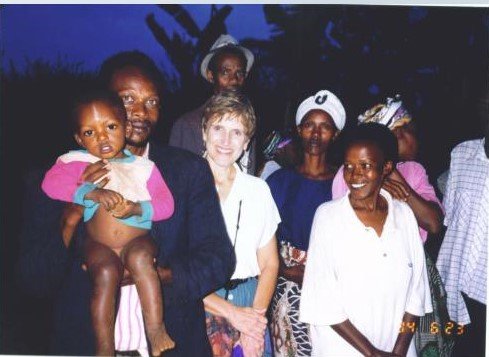
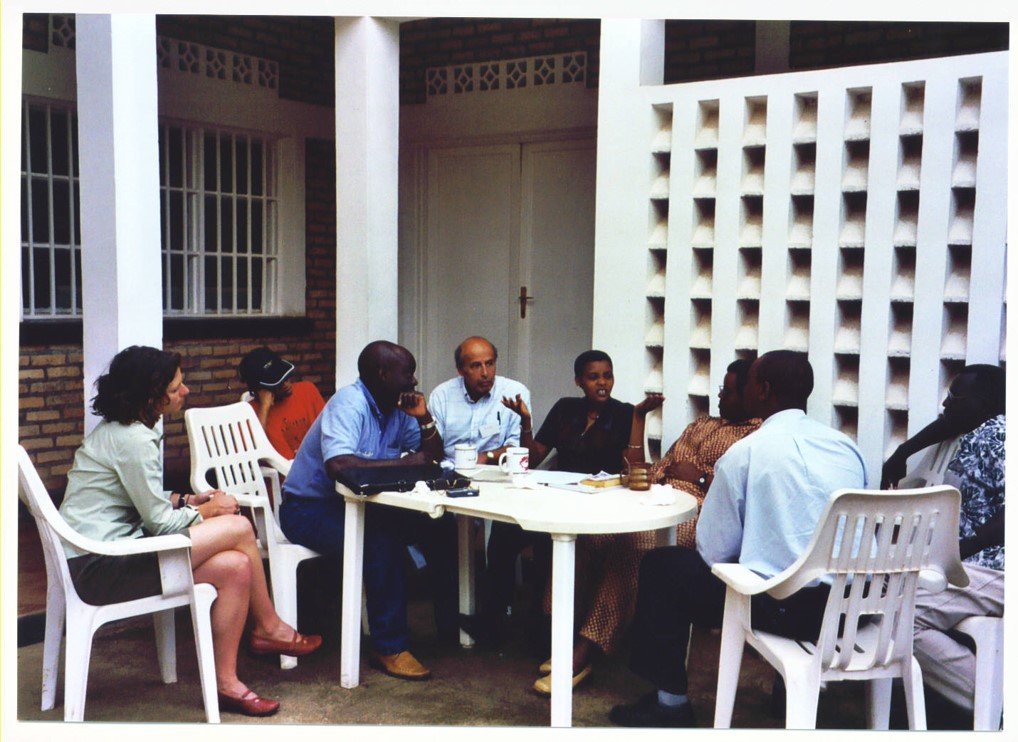
Educational radio programs to promote healing and reconciliation, and prevent violence in Rwanda, Burundi and the Congo
On the suggestion of many people in Rwanda, including government leaders, we initiated and
developed radio programs to promote reconciliation. In Rwanda radio is the primary media
people have access to. We invited George Weiss, a producer who lives in Amsterdam, to work
with us. He created an NGO for this purpose, LaBenevolencija Humanitarian Tools Foundation.
We together developed the prototype of a radio drama to promote reconciliation, and group
healing/psychological recovery as an aspect of reconciliation, as well as an informational radio
program. These were based on my work and the work of Laurie Pearlman and the approach we
have previously developed.
LaBenevolencija has been producing a variety of educational radio programs since then, in three
countries, Rwanda, Burundi and the Congo. One of these programs is a weekly drama series,
which began at first in Rwanda as the story of two villages in conflict (and already in its first year
just over 90 percent of the radio listening population listened to), in which the characters express
and enact information about the origins of violence between groups, avenues to the prevention of
violence, the impact of violence on victims/survivors, perpetrators and bystanders, and ways to
prevent violence and promote reconciliation.
This weekly radio drama began broadcasting in Rwanda in May 2004, and as of the beginning of 2025 is continuing in the foreseeable future in Rwanda and Burundi, which changes in content to make it relevant to
progressive changes in the country. Another program is an informational program on these topics,
which began broadcasting in October 2004. A third program is a justice support program. The
drama series started to broadcast in Burundi, which has the same ethnic groups, the same
language, and has had serious problems with violence, in early 2005. We have begun creating
new programs for Burundi in 2006. Since the beginning of 2006 we have been creating the same
type of programs in the Congo, adapted to the specific situation and culture there. The programs
in the Congo were ended in 2018. In the Congo it is estimated that since 1996 between four and
five 5 million people have died due to violence and its consequences, disease and hunger.
Our programs are well known, and LaBenevolencija has been approached to create new programs
to respond to difficult situations, such as intense hate speech and hostility in the Congo preceding
the run off in the Presidential elections in October 2006. In 2012 we developed a television
program in Rwanda, also aimed to promote reconciliation. The approach we have
developed is expanding and used in new settings, under the leadership of George Weiss and
LaBenevolencija
Training students to be active bystanders
I have developed, with associates, a training for students in schools to be active bystanders when they see harmful actions (verbal or physical, intimidation or actual harmdoing—bullying) by fellow students directed at other students. This training can be extended from schools to other settings. Chapter 16 of the book The roots of goodness and resistance to evil, describes the project and an evaluation study showing positive results.
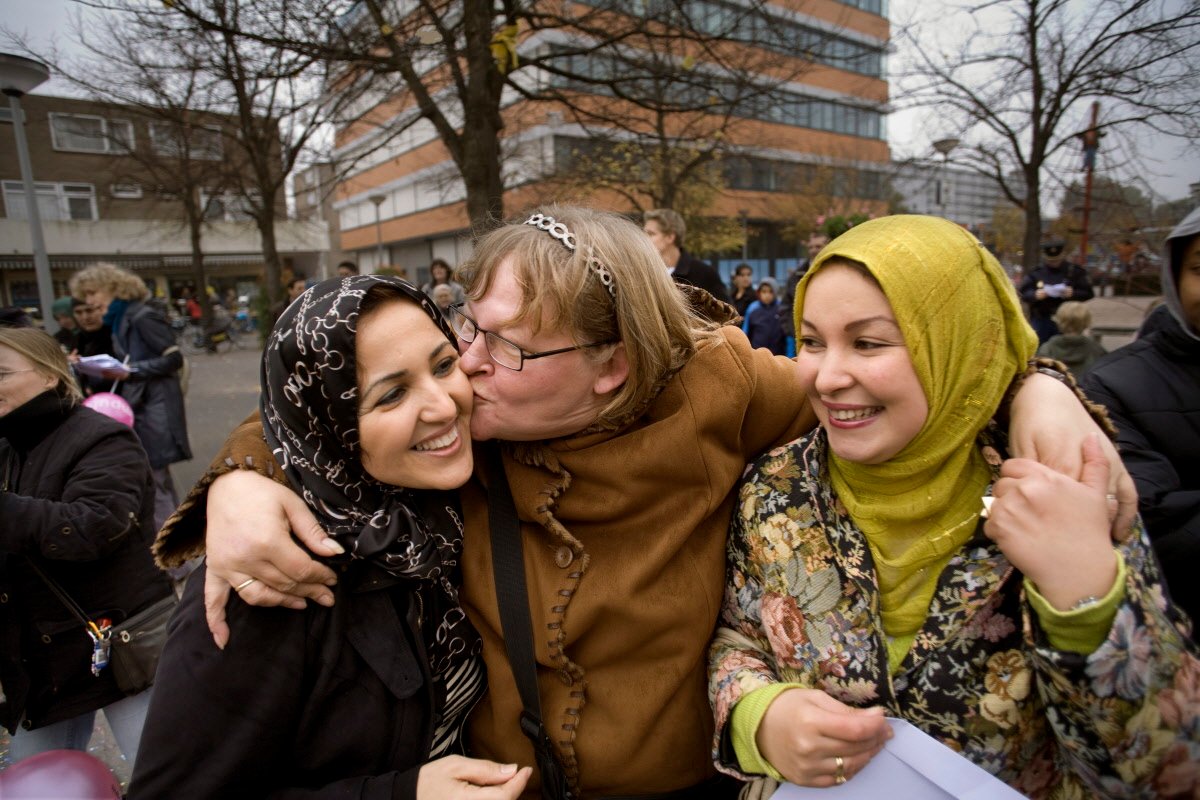
Promoting peaceful relations between Ethnic Dutch and Muslim Dutch in Amsterdam
I was invited to Amsterdam after two people, van Gogh—a journalist, and Hirshi Ali—a Somali refugee then a member of the Dutch parliament, created a TV program about the role of women in Islam, with something from the Koran on the naked back of a women. A Muslim man killed van Gogh and threatened Hirshi Ali. Hundreds of attacks followed on Muslim schools and mosques, churches, and other properties. The city government organized a conference and invited me to suggest ways to improve relations between the groups. I proposed 11 principles/practices based on research and on my experience. I also wrote an article about it. Th city government instituted a variety of the practices I proposed. For example, they inspired Muslims to invite non-Muslims for dinner at the end of Ramadan.They established centers where people could congregate to learn about each other's religions and practices. And a variety of more things. This was very unusual, for a government to introduce practices suggested by a researcher/activist.
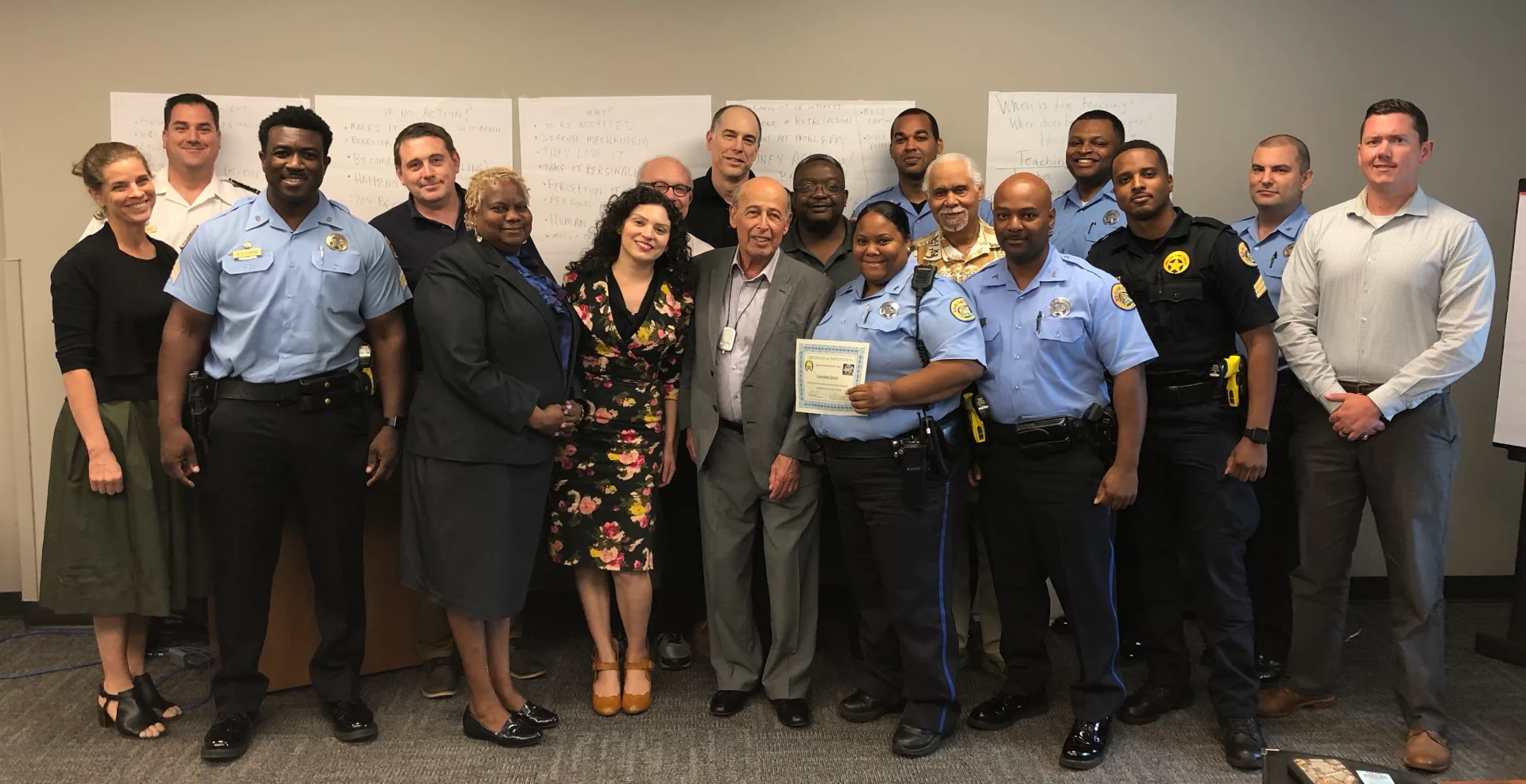
Training police officers to become active bystanders who prevent or stop fellow officers from unnecessary harmful actions
After the Rodney King incident, in which police officers were beating Rodney King with their
batons while more officers were standing around watching, I was asked by California POST
(Peace officers standards and Training) to develop a training for police to make such events less
likely. I presented the training to a mixed community police group appointed to make
recommendations. They recommended that elements of the training, which they wanted to call
intervention, be introduced into all police training courses in California. But POST decided to do
this internally with staff already in place. Around 2014/15, under a
consent decree between the police and city of New Orleans and the justice department, I, some
other consultants, working with a consent decree monitor and in collaboration with the police
department, introduced a version of the training in New Orleans, a historically problematic
department. The training was quite similar to the original training, but with emphasis not only of
the benefits to citizens who won’t be harmed and to police community relations, but also to police
officers who won’t lose their jobs or be criminally prosecuted for unnecessary harmful actions or
for passively witnessing such actions. While formal research evaluation was not possible, there
have been many indications of the success of the training: many fewer complaints about police,
anecdotal reports of low key but successful interventions, reports of better behavior by police
toward citizens. In the training there is discussion of the research basis for active bystandership.
We work with elements of the training to develop both understanding and skills, for example through
role playing, and examination of examples of successful interventions. The program has received
substantial attention, in the media (NYT-- https://www.nytimes.com/2016/08/29/us/a-new-orleans-program-teaches-officers-to-police-each-other.html and New Orleans papers), and in police journals. Both in the
summer of 2018 and 2019 there were large conferences in New Orleans, attended by high level
police from around the country who expressed interest in using the training in their departments,
to introduce them to it. I gave the keynote address at both of these conferences. The
Superintendent of New Orleans police under whom the project was conducted was hired in 2019
to be the Commissioner of the Baltimore police, another highly problematic department.
In 2025, mainly my associates, are training about 420 police departments, including very large ones like the NYPD, LA, smaller cities like Sarasota Florida where I now live, and many more.
Raising caring and non-violent children
Over the years I have engaged in working with teachers (and parents) to promote environments in the classroom, and practices, that lead children to become caring and not-aggressive. More recently, my concern has been to develop inclusive caring—which extends beyond the group to all people, even those traditionally devalued in the group—as well as moral courage, that is sometimes necessary for active bystandership.
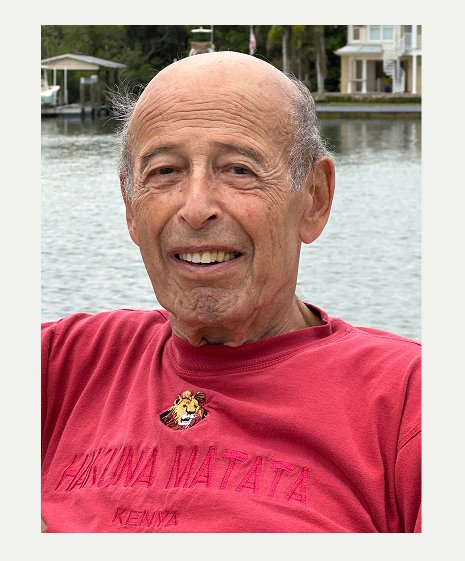
About to publish a memoir. See its title early on this website.
Describing my life ranging from surviving the Holocaust and living through communism in Hungary, escaping from Hungary at age 18, living in Vienna, and coming to the U.S.,receiving a Ph.D. at Stanford, a long teaching career at Harvard and the University of Massachusetts at Amherst, and describing my research, and its applications in many real world settings to bring about positive change..